Ecommerce Vendor Agreement: The Foundation of Marketplace Success
For an ecommerce marketplace, the Vendor Agreement is the most critical document in its legal arsenal. It defines the rules by which third-party sellers interact with your platform, your customers, and your brand.
A technical vendor contract does more than just list products; it manages risk. From ensuring that the vendor has the right to sell the goods to defining who pays for a return shipping label, every clause is designed to protect the platform owner. In the competitive Indian ecommerce market, having a clear and legally binding agreement with your suppliers and sellers is essential for scaling without legal friction. Our drafting service provides a technical framework that covers everything from commission structures to GST compliance, ensuring your marketplace operates like a well-oiled machine.
Product Liability and Consumer Safety
Under the Consumer Protection Act, 2019, the concept of 'Product Liability' has been introduced. This means that if a product sold on your platform causes injury or property damage to a customer, the marketplace can be dragged into litigation along with the vendor.
Your Vendor Agreement must contain a specialized 'Product Liability Indemnity' clause. This clause should state that the vendor is solely responsible for the safety and quality of the products. They must agree to provide products that meet all mandatory BIS (Bureau of Indian Standards) certifications where applicable. If a customer files a lawsuit or a complaint with the CCPA, the vendor is legally obligated to defend the marketplace and pay for all damages, legal fees, and administrative fines.
Furthermore, the agreement should mandate that vendors carry 'Product Liability Insurance' for certain high-risk categories like electronics, toys, or health supplements. This ensures that the vendor has the financial capacity to fulfill their indemnity obligations, providing an extra layer of security for your marketplace business.
Scope of Services and Listing Protocols
The agreement must clearly define what the vendor can and cannot do on the platform. This starts with the listing protocol. Vendors must be legally bound to provide accurate product descriptions, high-resolution images that do not violate copyrights, and real-time inventory updates.
Product Quality Standards
The marketplace must have the right to inspect products or audit vendor warehouses. The agreement should specify that any counterfeit, expired, or substandard products will result in immediate de-listing and financial penalties for the vendor.
Compliance with Prohibited Items
Indian law prohibits the online sale of certain items like prescription drugs (without valid licenses), hazardous chemicals, and certain wildlife products. Your agreement must contain a 'Negative List' to prevent the platform from becoming a party to illegal trade.
Financial Arrangements: Commissions and Payments
Transparent financial terms prevent disputes and build vendor loyalty. The agreement should break down the 'Take Rate' or the total cost of doing business on your platform.
Commission and Fee Structure
The contract must specify the commission percentage for different product categories. It should also define additional fees such as 'Listing Fees', 'Closing Fees', and 'Collection Fees' for processing digital payments. Clarity here is vital for the vendor's own financial planning.
Remittance Cycles and Reconciliation
When does the vendor get paid? The agreement should define the 'Settlement Period' (e.g., T+7 or T+14 days). It must also outline the process for reconciliation: how the vendor can dispute a payment if they believe the commission was calculated incorrectly.
Refund Hold-backs
To manage returns, the marketplace typically keeps a small percentage of the vendor's payout in a 'Refund Reserve'. The agreement must specify the amount of this reserve and the conditions under which it will be released.
Logistics and Fulfillment Responsibilities
Fulfillment is where most operational errors occur. The Vendor Agreement must precisely define who is responsible for each step of the delivery process.
Marketplace Fulfilled Model
Under this model, the vendor ships products to the marketplace's warehouse. The platform then handles packaging and last-mile delivery. The agreement must cover the 'Risk of Loss' while the goods are in the warehouse and the 'Storage Fees' applicable to the vendor.
Vendor Self-Ship Model
If the vendor ships directly to the customer, the agreement must enforce strict Service Level Agreements (SLAs). This includes the maximum time to mark an order as 'Ready to Ship' and the use of approved courier partners to ensure tracking visibility for the customer.
Returns, Refunds, and Liability Mapping
Managing returns is a major cost center for ecommerce. A technical agreement assigns this cost based on the reason for the return.
If a product is returned because it is defective, 'not as described', or damaged, the vendor must bear the full cost of the reverse logistics and the refund. In some cases, the marketplace may also charge a 'Liquidation Fee' for handling the return of a damaged item that cannot be resold.
For 'Change of Mind' returns, the agreement can specify a different cost-sharing model. Crucially, the vendor must indemnify the marketplace against any claims filed in Consumer Courts regarding product quality, as the marketplace is legally an 'Intermediary' and not the primary seller.
Intellectual Property and Brand Integrity
Protecting IP is a two-way street in a Vendor Agreement. The marketplace needs the right to use the vendor's brand assets, while the vendor must be prohibited from misusing the marketplace's platform.
-
License to Use Marks
The vendor grants the platform a non-exclusive, royalty-free license to use their brand name and logos for marketing the products on social media and ad networks.
-
Counterfeit Protection
The vendor must guarantee that they own the IP or have valid licenses for all products listed. Any IP infringement claim resulting in a 'Takedown Notice' will be the sole responsibility of the vendor.
-
Data Ownership
The agreement must clarify that customer data belongs to the marketplace. The vendor is prohibited from using this data for their own marketing or contacting the customer directly outside of the platform's tools.
GST Compliance: TCS and TDS Requirements
In India, ecommerce platforms have specific tax collection and reporting duties. Your Vendor Agreement must facilitate this compliance.
Under Section 52 of the CGST Act, the marketplace must collect Tax Collected at Source (TCS) at a rate of 1% on the net value of taxable supplies. The agreement must state that the platform will deduct this amount before remitting payment to the vendor. The vendor is responsible for providing their GSTIN and ensuring that their tax filings are up to date to claim the TCS credit.
Furthermore, under the Income Tax Act, the platform may also need to deduct TDS (Tax Deducted at Source) at the applicable rates. The agreement should serve as a notice to the vendor that these deductions are mandatory by law and will be reflected in the monthly settlement statements provided by the platform.
Vendor Onboarding and Due Diligence Protocols
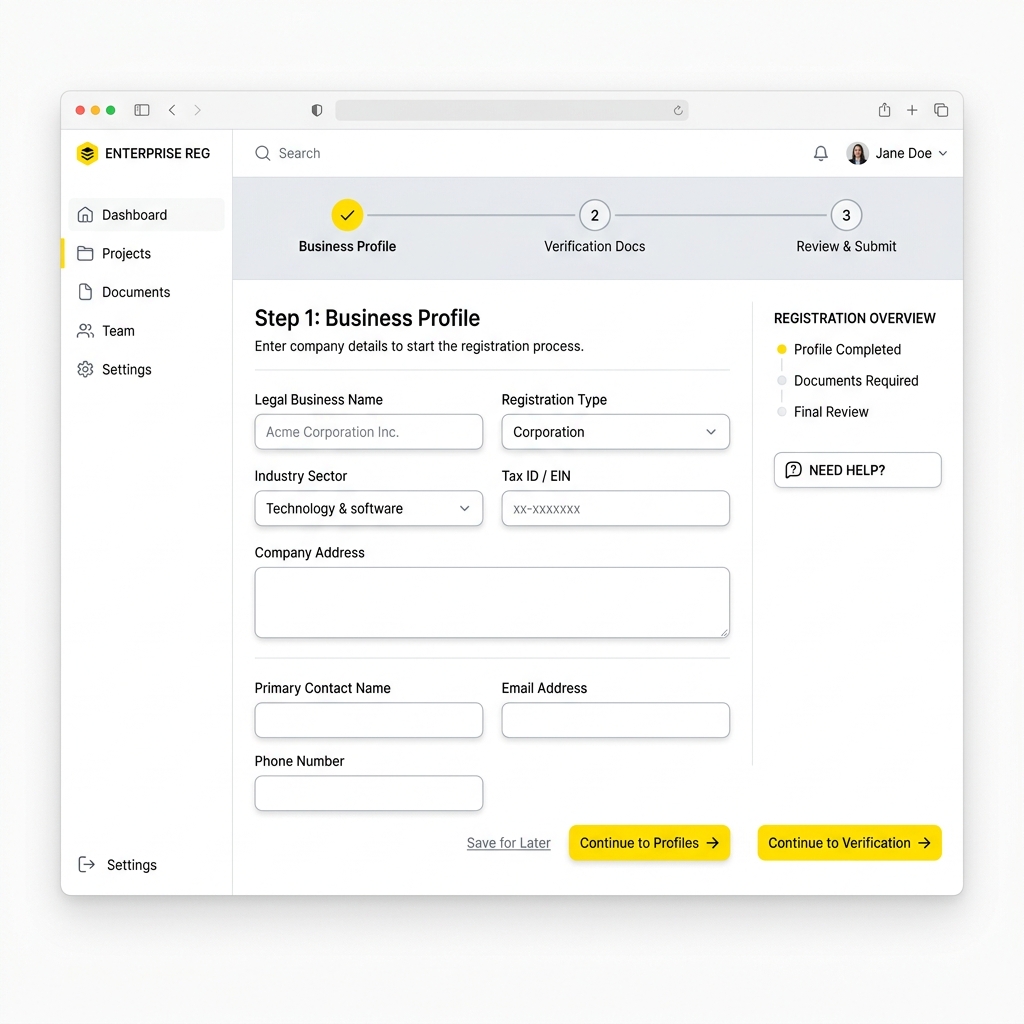
The legal relationship begins long before the first product is listed. A technical vendor agreement should outline the mandatory due diligence process that every seller must undergo. This includes the submission of 'Know Your Vendor' (KYV) documents such as the Certificate of Incorporation, GST Registration, and Bank Account details.
Our drafting ensures that the agreement allows the platform to verify these documents through third-party services. The vendor must guarantee that all information provided is accurate and that they have the legal capacity to enter into a commercial contract. This initial friction is necessary to filter out fraudulent actors and ensures that the marketplace maintains a high trust score with both customers and financial regulators.
Liability for Logistics and Third-Party Partners
Ecommerce operations rely heavily on external logistics providers. When a product is lost or damaged in transit, who is liable? The vendor agreement must map this liability with surgical precision.
If the marketplace provides the shipping service, the agreement must specify the extent of the platform's liability for 'Transit Damage'. Conversely, if the vendor uses their own shipping partner, the platform must be fully indemnified against any delivery failures or delays. This section also covers the 'Proof of Delivery' (POD) requirements; stating that the vendor will only be paid once a valid POD is recorded in the system. By defining these boundaries, you prevent the 'Blame Game' that often occurs between vendors and logistics companies, keeping your operations streamlined.
Termination: Ending the Relationship
How does the agreement end? A well-drafted termination clause prevents messy exits.
We include clauses for 'Termination for Convenience', allowing either party to exit with a 30-day notice. However, for a 'Material Breach' (such as selling counterfeits or failing to fulfill orders), the marketplace must have the right to terminate the relationship immediately and freeze the vendor's funds until all pending customer claims are resolved.
Dispute Resolution and Governing Law
Disputes between vendors and platforms are common, especially regarding payouts and returns. We recommend a mandatory mediation process followed by arbitration in a neutral city. The agreement should specify that the laws of India govern all proceedings and that the courts of your primary place of business have exclusive jurisdiction over any legal matters that cannot be resolved through arbitration.
Technical Benefits of a Professional Agreement
Legal Safe Harbor
Strictly defines your role as an intermediary to limit liability for third-party products.
Audit Trail
Provides a clear paper trail for tax authorities and GST reconciliations.
Operational Scalability
Standardized terms allow you to onboard hundreds of vendors with minimal legal overhead.
Investor Confidence
Shows venture capital and banks that your marketplace is built on a solid legal foundation.
Legal FAQs on Vendor Agreements
Below are the most common technical questions regarding the drafting and execution of ecommerce vendor agreements in India.
Build a Secure Marketplace with Expert Drafting
Get a technical vendor agreement that protects your brand, manages logistics risks, and ensures full tax compliance for your online platform.
Consult Our Legal Experts