Strategic Structure for Solo Founders
Starting a business alone does not mean you have to operate informally. If you want full control along with institutional legal protection, One Person Company Registration in India is the gold standard for individual entrepreneurs.
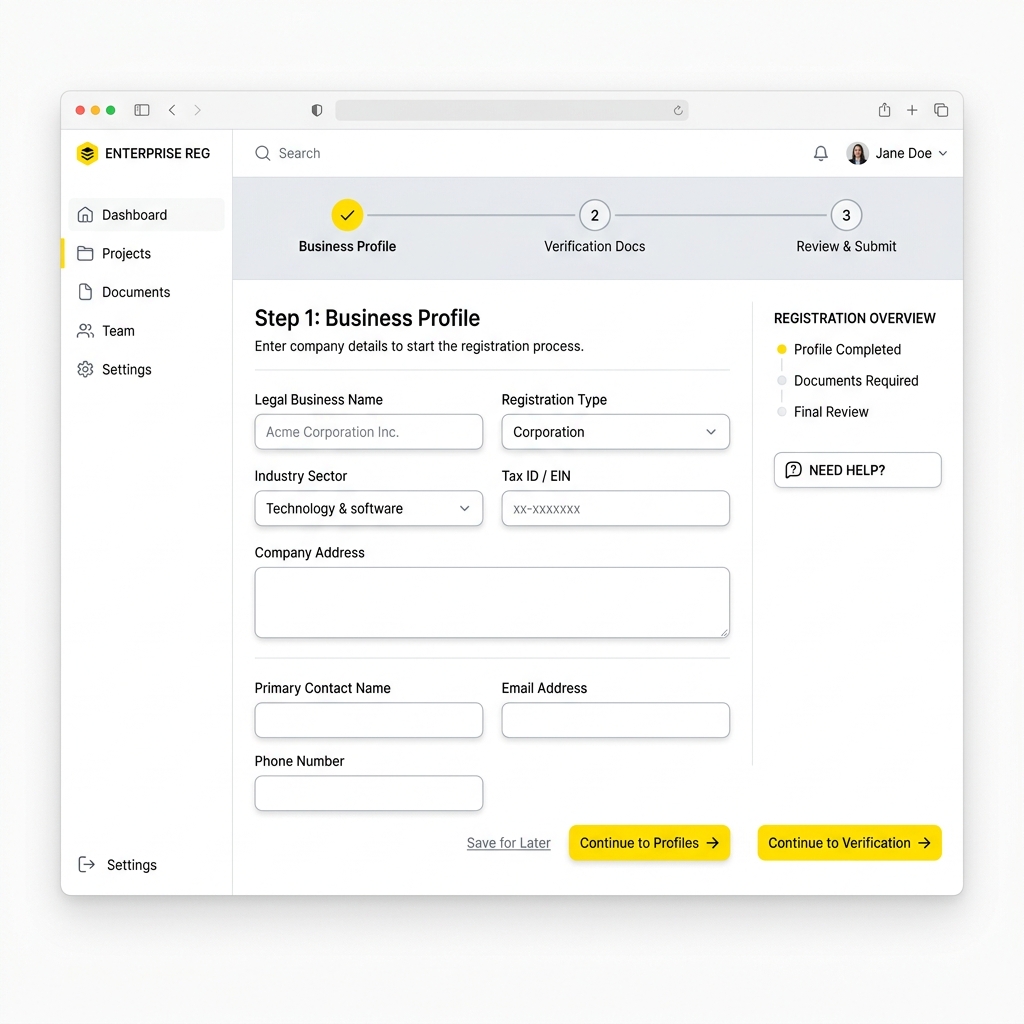
An OPC (One Person Company) allows a single individual to run a company with a separate legal identity, shielding personal assets from business liabilities. Whether you are managing OPC Registration in Delhi or anywhere else, our platform automates the SPICe+ filing process for a seamless incorporation experience.
Institutional Features of an OPC
Single Owner/Director
Only one person is required to start and run the company. The owner can also act as the sole director, eliminating the need for partners.
Nominee Requirement
A nominee must be appointed during incorporation to ensure business continuity in case of the owner's death or incapacity.
Separate Legal Entity
The company is a distinct legal person capable of owning assets, entering contracts, and taking responsibility for its own liabilities.
Limited Liability
The owner's personal wealth is protected; liability is strictly limited to the amount invested in the company's capital.
No AGM Mandate
Unlike Private Limited companies, an OPC is not required to hold Annual General Meetings, reducing the administrative burden.
Mandatory Conversion
OPC can be converted into a Private Limited Company once it crosses specific turnover or capital thresholds as per the Companies Act.
Qualification & Required Documentation
Eligibility for OPC
- Owner must be an Indian Citizen & Resident
- Only one OPC per individual is permitted
- Appointment of a Nominee is mandatory
- Minimum one Director (can be the owner)
KYC Checklist
- PAN Card & Aadhaar Card of Director/Nominee
- Personal Address Proof (Bank Statement/Utility Bill)
- Registered Office Proof (Rent Agreement/NOC)
- Digital Signature Certificate (DSC) for filings
Lifecycle Management: Compliance & Growth
Mandatory Post-Filing Compliance
Once incorporated, an OPC must strictly adhere to the Companies Act requirements to maintain its active status:
- Annual Return Filing with MCA (Form MGT-7A)
- Financial Statement Filing (Form AOC-4)
- Income Tax Return (ITR-6) Filing
- Maintenance of Statutory Audit & Books of Accounts
Common Mistakes to Avoid
- • Choosing a company name already in use or trademarked
- • Submitting incorrect or mismatched KYC documents
- • Delaying the appointment of a legal nominee
- • Ignoring post-incorporation statutory compliance
- • Failing to maintain proper minute books and records
When to Choose OPC?
The OPC structure is strategically ideal for solo founders who prioritize legal safety and institutional branding:
When to Convert?
As your business scales, you may need to transition to a Private Limited structure under these conditions:
Benefits of OPC for Startups
Easy Setup
Simple, streamlined registration.
Low Compliance
Fewer filings than Pvt Ltd.
Professional Image
Better market trust & credibility.
Financial Access
Easier institutional loan approvals.
Strategic Comparison
| OPC vs Sole Proprietorship | ||
|---|---|---|
| Feature | OPC | Proprietorship |
| Legal Status | Separate | Not Separate |
| Liability | Limited | Unlimited |
| Credibility | Institutional | Informal |
| OPC vs Private Limited | ||
|---|---|---|
| Feature | OPC | Pvt Ltd |
| Owners | 1 Person | Min 2 Persons |
| Compliance | Moderate | Strict |
| Fundraising | Limited | Scaleable |
Ready to Lead Your Own Company?
Protect your assets and build an institutional brand. Start your One Person Company registration today with our expert guidance.
Start OPC Registration